From attire to music, family rituals to food, African weddings reflect deep traditions, joyful celebration, and communal connection. While each country and ethnic group has its own customs, many of these practices have stood the test of time. Proudly upheld and adapted into modern-day celebrations.
Here are five African wedding ceremonies we admire for their richness, symbolism, and continued cultural importance:
A Zulu wedding is layered with meaning, colour, and community. The ceremony usually follows lobola negotiations, where the groom’s family formally offers a dowry to the bride’s family as a gesture of respect and appreciation.
The main event, known as Umabo, is when the bride officially joins the groom’s family. It’s held at the groom’s home and involves the bride presenting gifts (often blankets and household items) to her new in-laws. The exchange symbolises the blending of families and the start of a shared life.
Modern Zulu weddings often blend Western ceremonies with Umabo, allowing couples to honour both ancestral and contemporary influences.
Yoruba weddings are famous for their bold fashion, ceremonial structure, and emphasis on respect and unity between families. The Introduction sets the stage: a meeting where both families formally express intent. Then comes the Engagement Ceremony (Igbeyawo), which is the real heart of the Yoruba wedding.
The groom and his family arrive bearing gifts, including the bride price, and must “beg” for the bride’s hand through scripted interactions. The bride is ushered in, glowing in rich aso-oke fabric, and accepts the proposal in front of everyone. Prayers, blessings, and music follow, creating a festive, communal celebration of love and heritage.
The Umtshato is the culmination of lobola negotiations between the two families. Once agreed, a series of traditional ceremonies take place, often over several days. One key ritual is the bride’s formal arrival at the groom’s family home, where she is “hidden” and welcomed with celebratory ululation and songs.
Dressed in isikhakha (traditional Xhosa attire), the bride is presented to her new family. Symbolic gestures, like stepping over a spear or fire — mark her transition into marriage.
In many modern weddings, this traditional component follows a Western-style ceremony, ensuring cultural practices aren’t lost in the celebration.
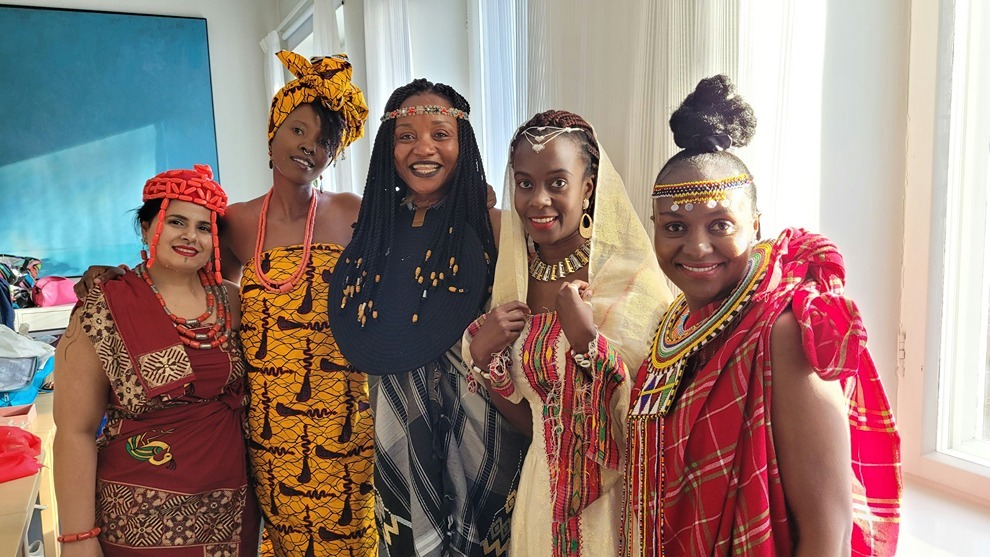
Ethiopian weddings are often deeply spiritual, especially when held in accordance with Orthodox Christian customs. The day typically begins with a church ceremony that can last several hours. Both bride and groom wear elaborate outfits, often including crowns, sashes, and capes- signifying royalty and the sacred nature of marriage.
After the religious ceremony, guests gather for a feast called the Melse, filled with dancing, traditional injera, and cultural entertainment. While many Ethiopian weddings follow Christian rituals, the cultural aspects remain a key part of the experience, from music and food to family honour and hospitality.
In Shona culture, the traditional wedding process starts with roora, the bride price negotiation, and involves multiple stages. It’s a bonding process between families that includes humour, negotiation, and symbolic acts of generosity.
The ceremony itself often includes dances like mbira music and the presentation of symbolic gifts. In many cases, a white wedding follows roora, but the traditional rites are considered the true union in the eyes of the families.
Modern Shona couples often incorporate both elements, celebrating their heritage while embracing personal touches.
African weddings today are as diverse as the continent itself, some couples follow every tradition to the letter, others mix and match with modern flair. But at the heart of it all is something beautifully consistent: weddings are about more than the two people getting married, but about two families, two histories, and two cultures coming together.
If you’re planning your own celebration, whether it’s a full traditional wedding, a blend of styles, or a destination ceremony that nods to your roots: the details matter.
From colour themes and ceremony structures to guest communications, every part of your day can reflect your unique story.
That’s why we created our traditional wedding invitation websites: designed for African weddings, made to honour your customs. Whether you’re hosting an Umabo, Roora, or Melse, your digital invitation can reflect who you are, where you come from, and the journey you’re about to begin.
Let us help you make that first impression unforgettable.
Ready to create a wedding website that celebrates your heritage and your love story?
Explore our traditional templates or get in touch for a custom design tailored to your ceremony.
Hello! It's good to have you here!
Please login to design, view and/or edit your invitation(s).
We use cookies to improve your experience on this website. You may choose which types of cookies to allow and change your preferences at any time. Disabling cookies may impact your experience on this website. You can learn more by viewing our Cookie Policy.